Skip to content

Introducing SKIIN™

Connected animal health monitoring, built into textiles

Myant’s Textile Computing™ brings clinical-grade physiological monitoring into the animal’s normal routine, beginning with SKIIN™ Equine for clinician-led 3-lead ECG studies at rest and during exercise.
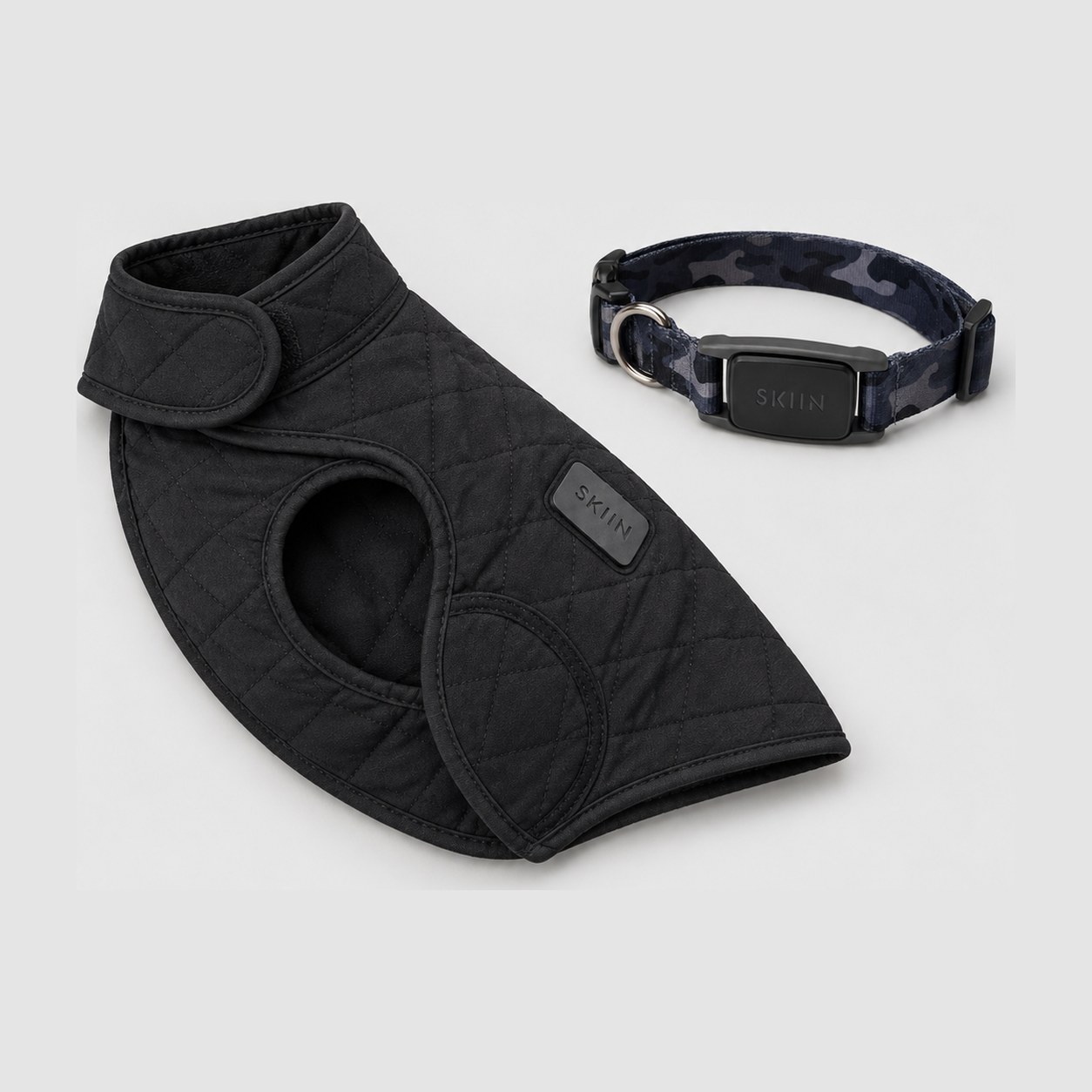
Product family

Monitoring designed around each species

Myant Animal Health develops textile-based monitoring systems designed around how animals move, rest, train, and receive care.

Textile Computing™

Wearable monitoring without taking the animal out of its routine

Myant knits sensors directly into fabric so there are no wires, adhesives, or bulky boxes to work around. Comfortable smart textiles give a cleaner signal and a truer baseline because the animal keeps its normal routine while physiological data is collected for veterinary review.

Proven in medicine

Built on the same technology that powers our medical devices

The technology inside our animal products was originally developed and licensed for human cardiac monitoring in Canada. We’ve brought that same medical-grade accuracy, reliability, and precision to veterinary health.

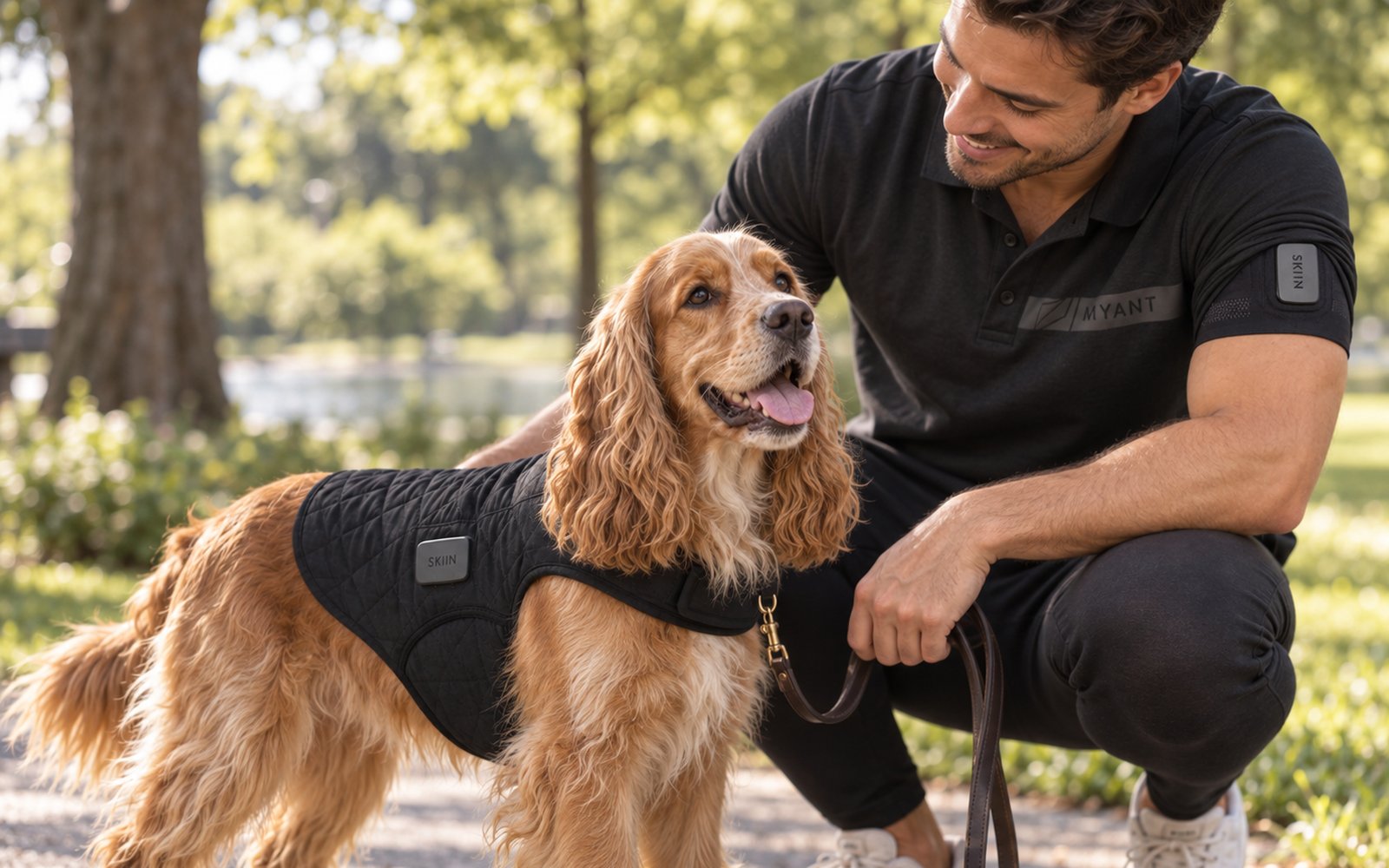
A spaniel wearing the SKIIN canine vest stands in a park beside its owner, who wears a Myant polo with a SKIIN sleeve sensor
  • Licensed by Health Canada

    The human SKIIN™ system is a licensed Class II medical device, with an FDA 510(k) submission underway in the United States.

  • Chosen by cardiologists

    Ordered for patients across Canada, with thousands of Holter studies completed and reviewed in clinical practice.

  • Re-engineered for animals

    Myant Animal Health takes the technology inside the licensed human system and redesigns smart textiles for veterinary species.

An aerial view of a horse farm, paddocks and barns laid out across green pasture
SKIIN Equine

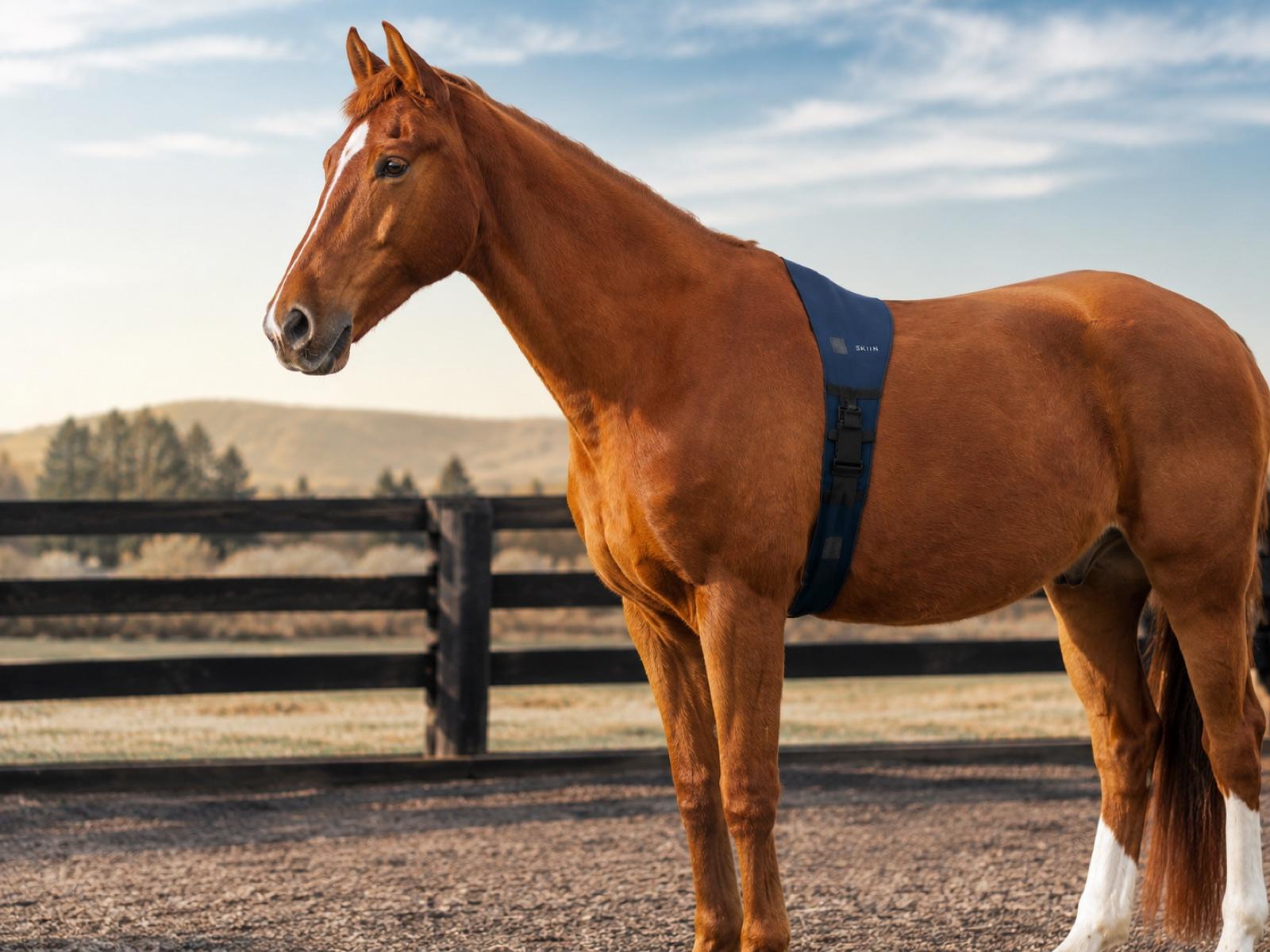
3-lead ECG monitoring for horses at rest and in motion

Traditional equine ECG studies can involve adhesive electrodes, wires, straps, and specialized setup. SKIIN™ Equine integrates 3-lead ECG capture into a textile band designed for clinician-led studies at rest and during ridden or unridden exercise.

System capabilities

From setup to veterinary review, one connected workflow

The band, electronic pod, app, and veterinary portal are engineered as one workflow, so a study starts at the barn and ends as data your vet can act on.

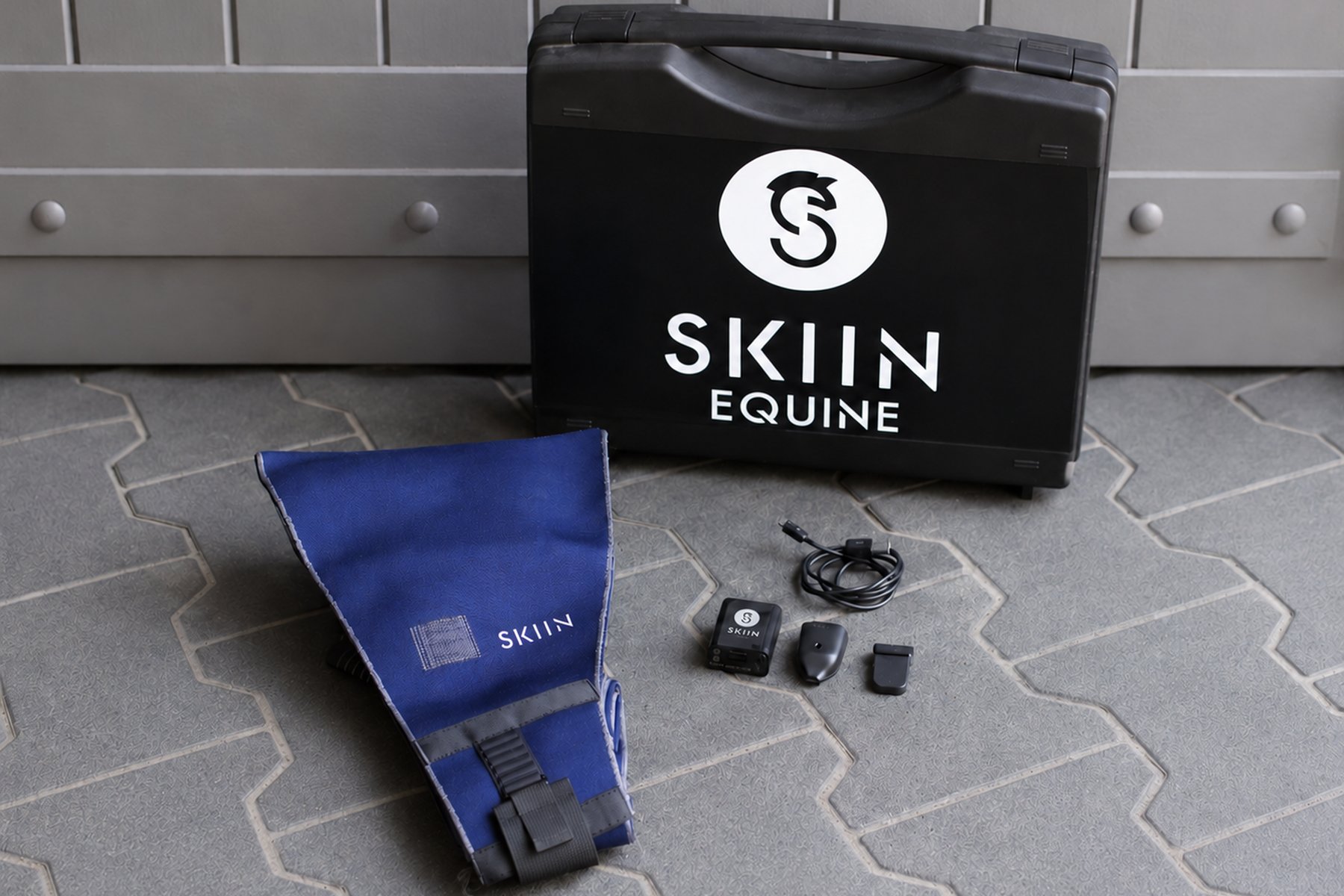
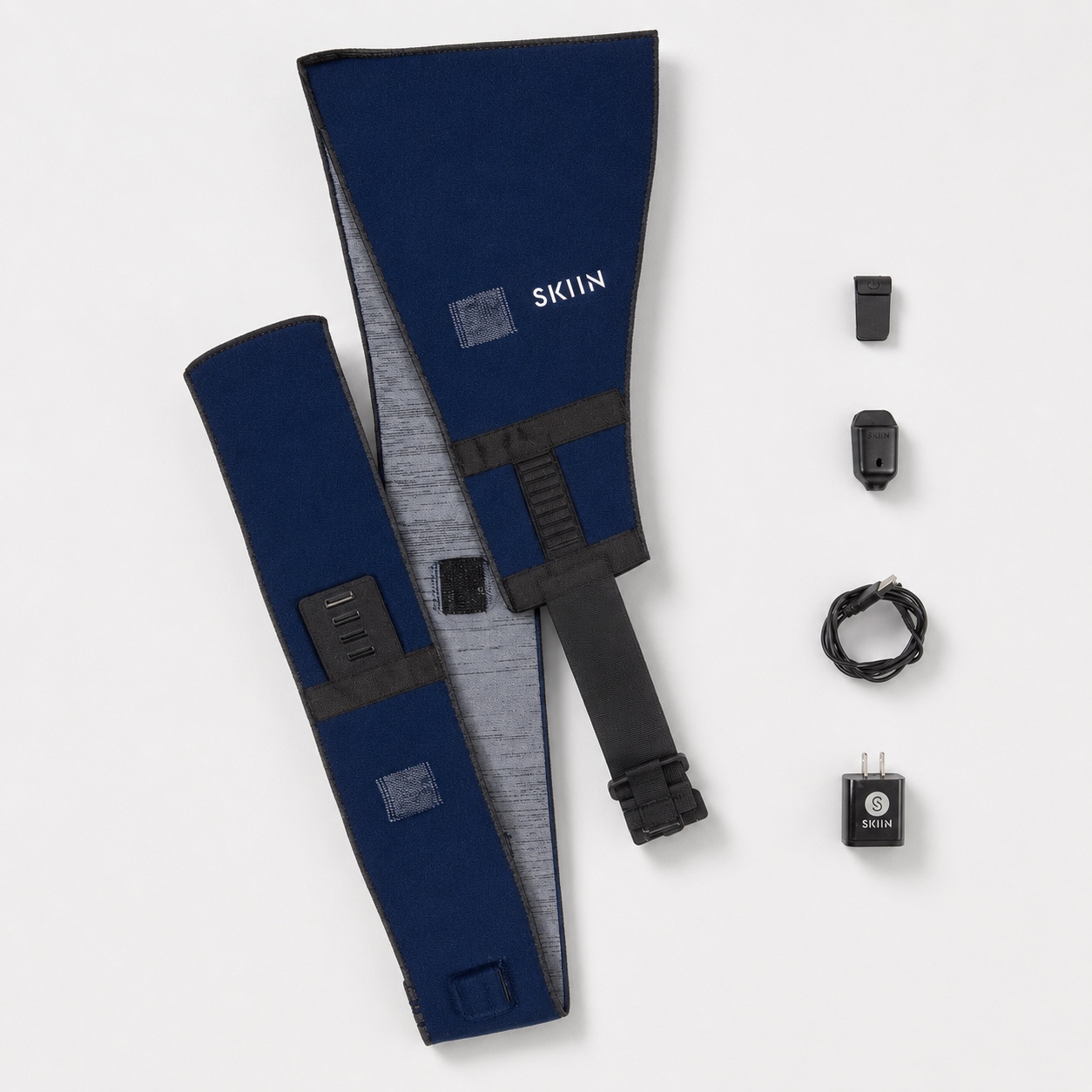
The SKIIN Equine kit laid out: textile band, electronic pod, sensors, charging cable and carry case

App-guided setup

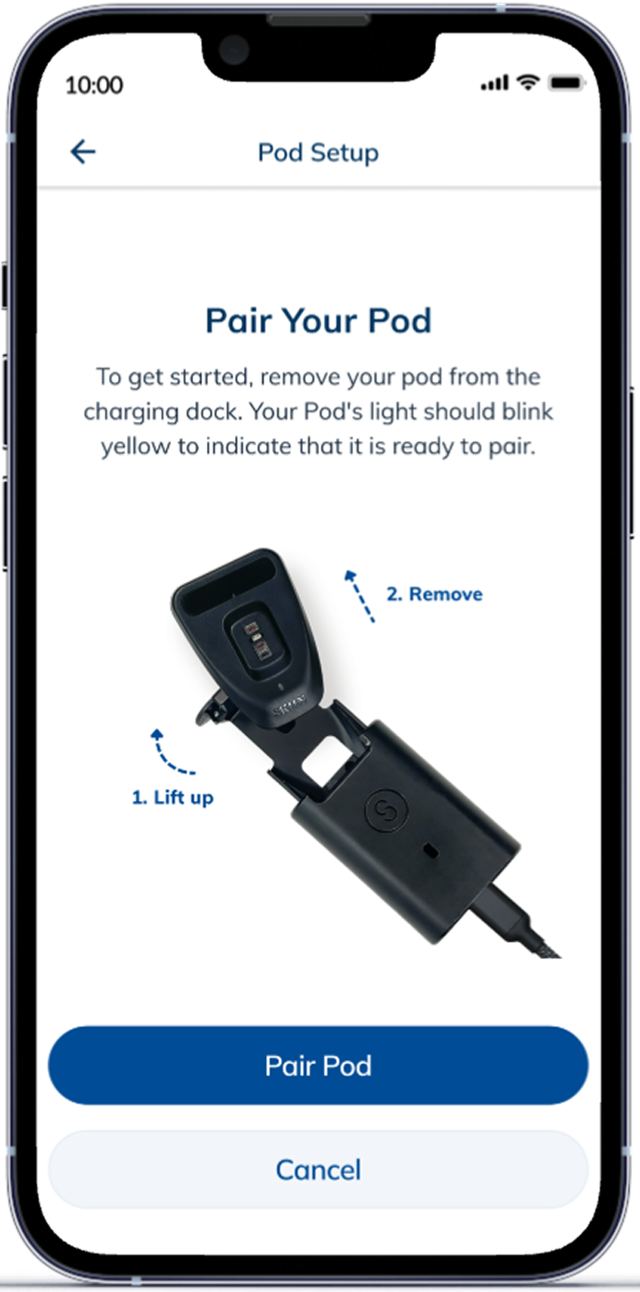
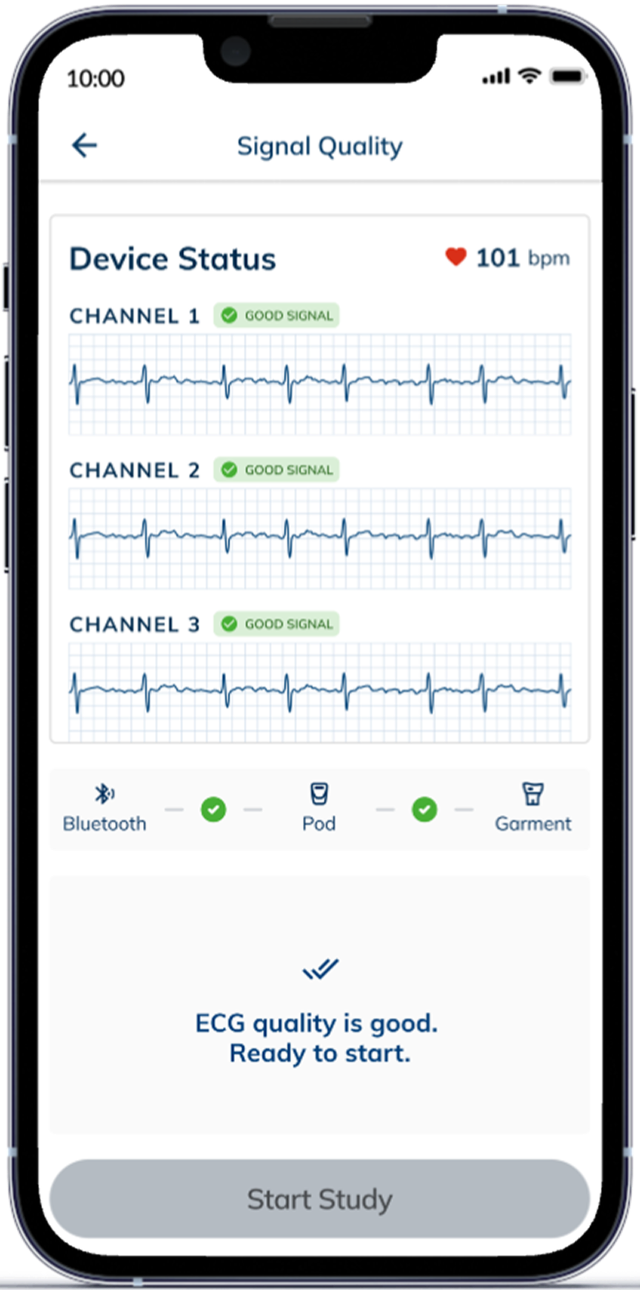
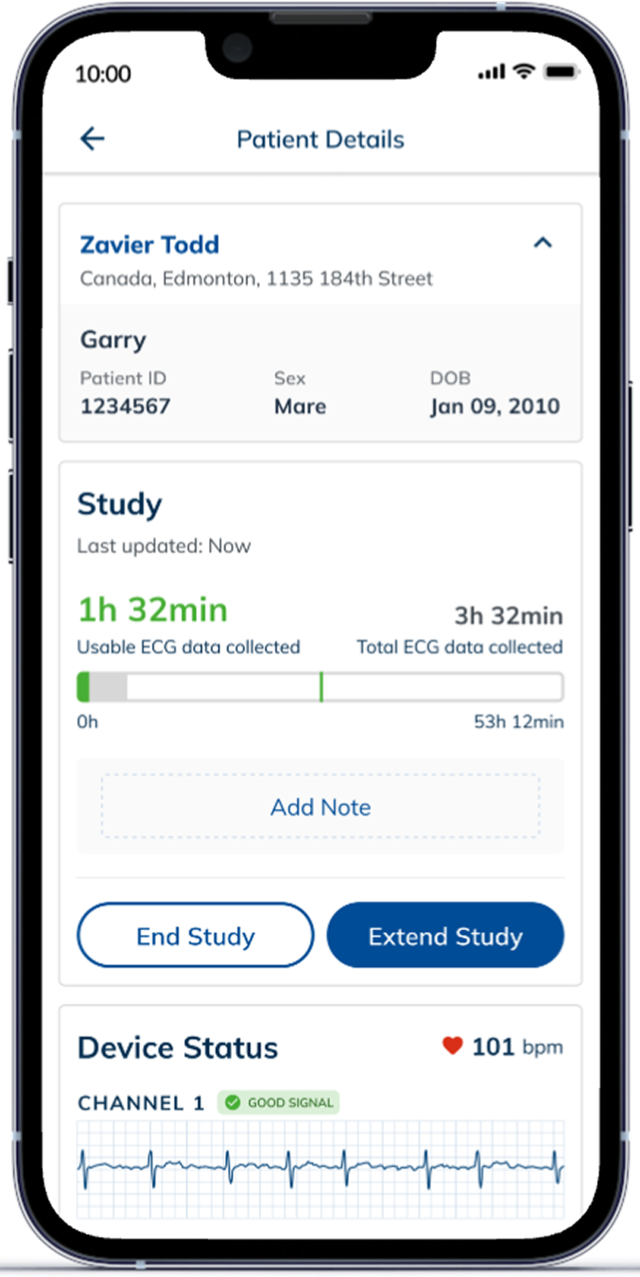
The app supports study setup, placement checks, and signal quality review before recording begins.

On-horse recording

A compact electronic pod records study data on the horse, allowing the study to continue even when cellular connectivity is limited.

3-lead ECG capture

Three channels of ECG are recorded through the band’s fabric electrodes, the foundation the rest of the system builds on.

Barn-ready by design

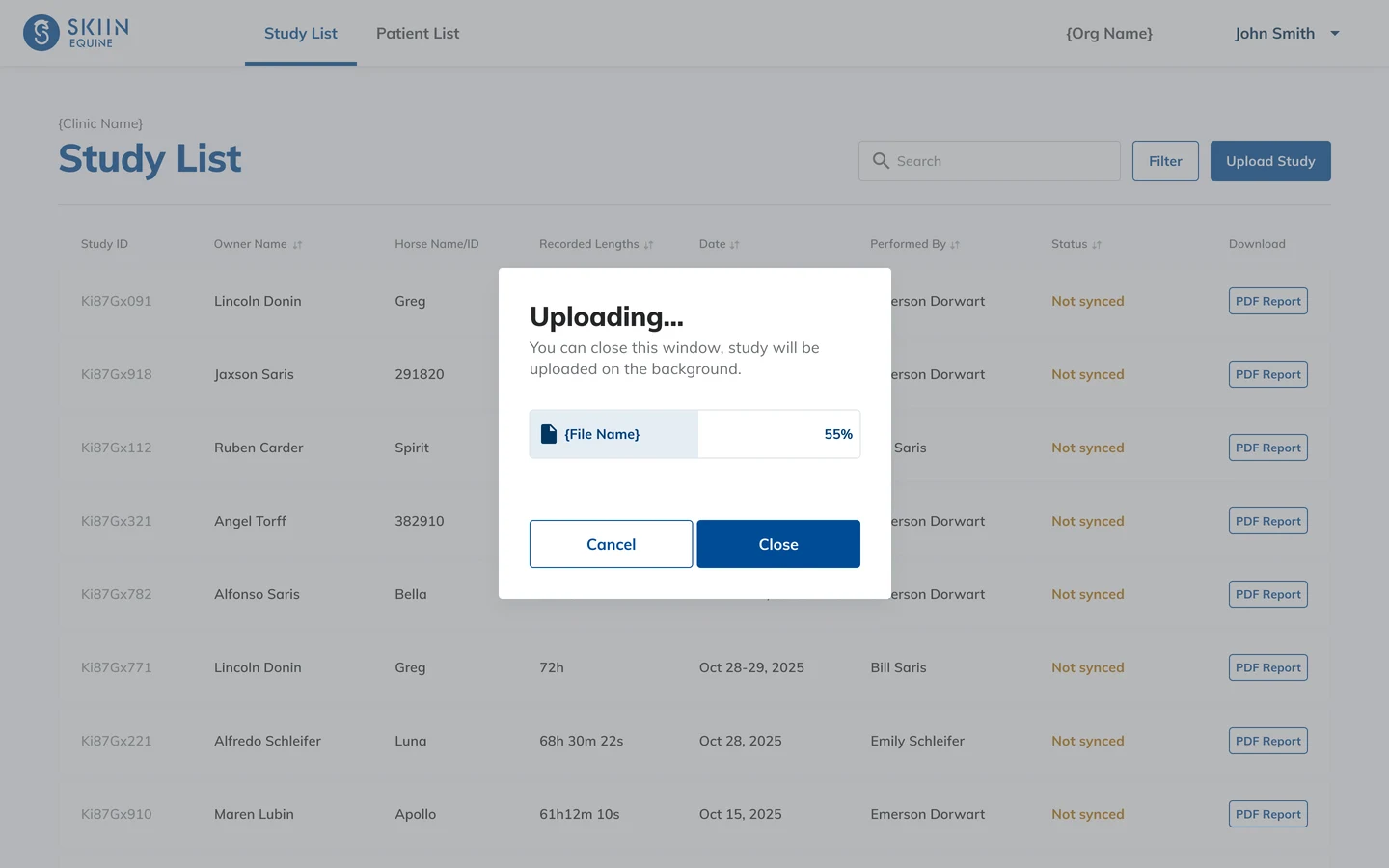
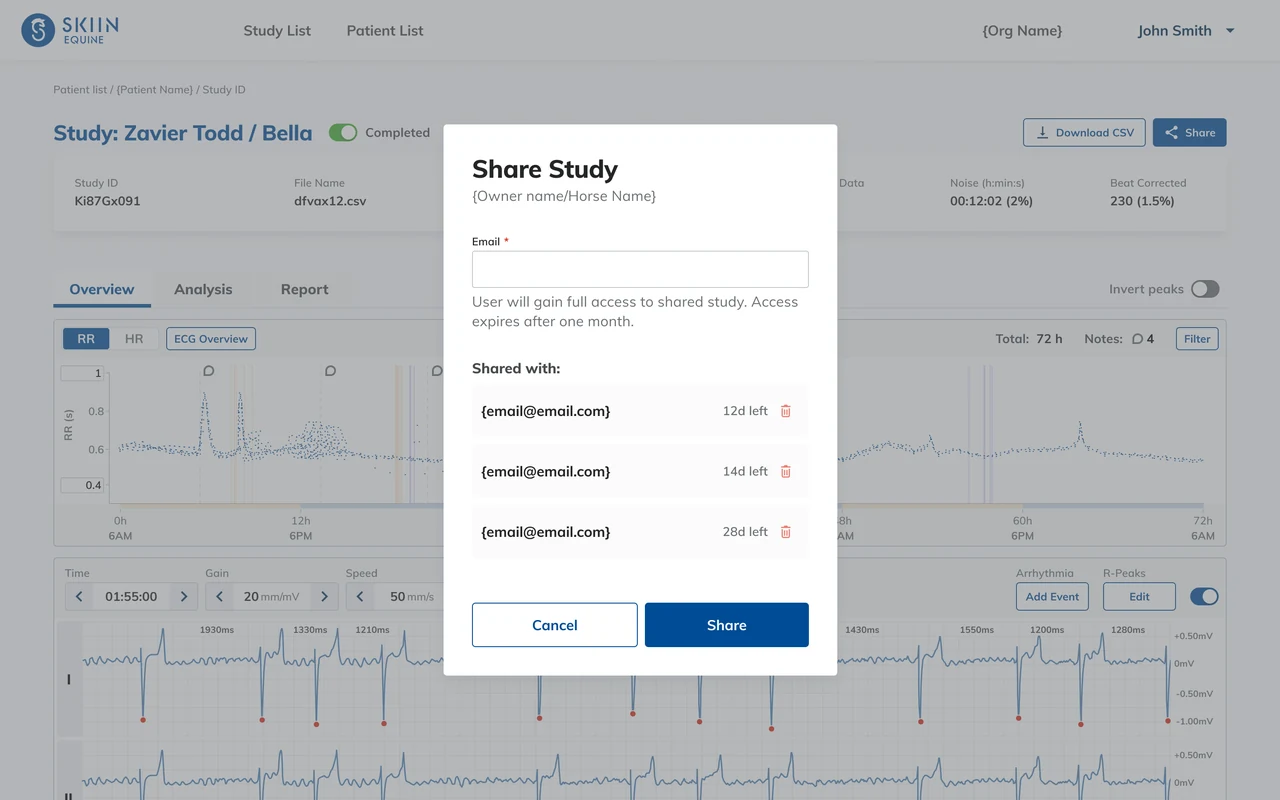
Data stores locally and uploads when Bluetooth, internet, or wired transfer is available.

Automated analysis

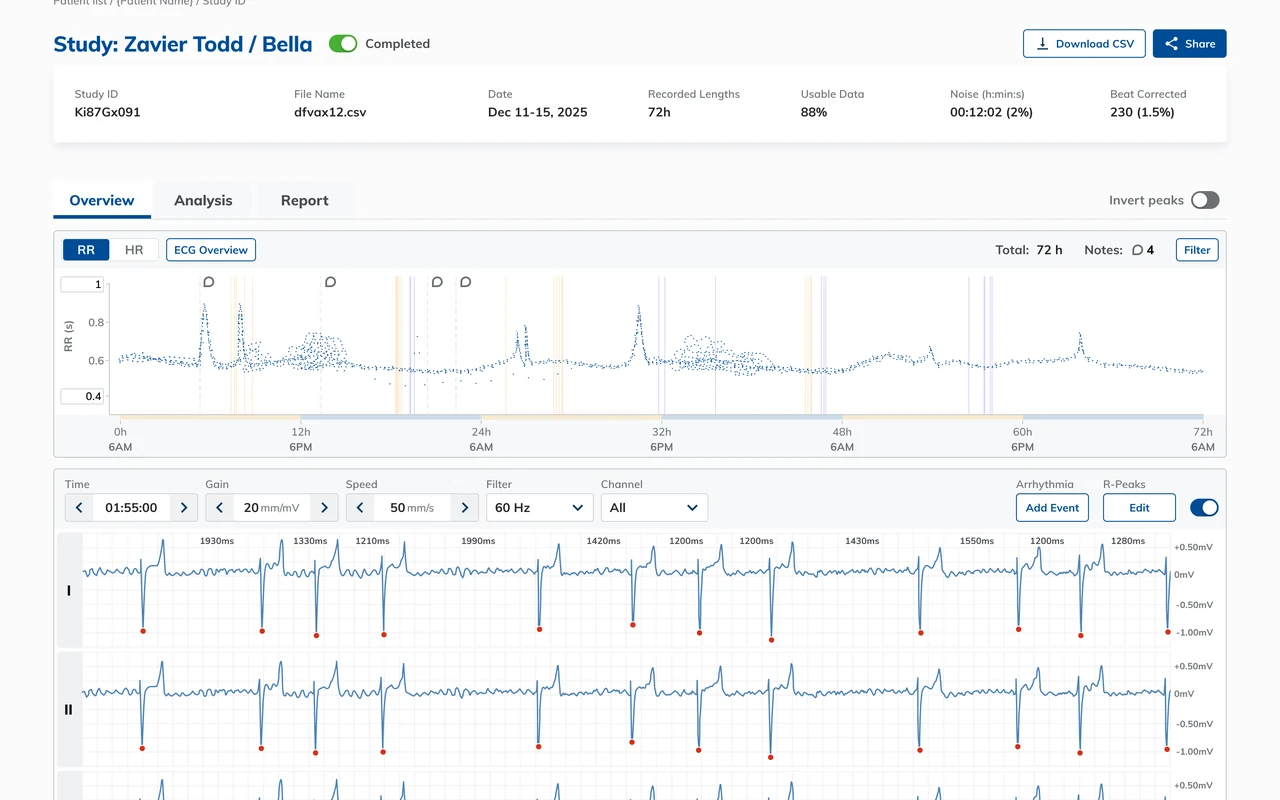
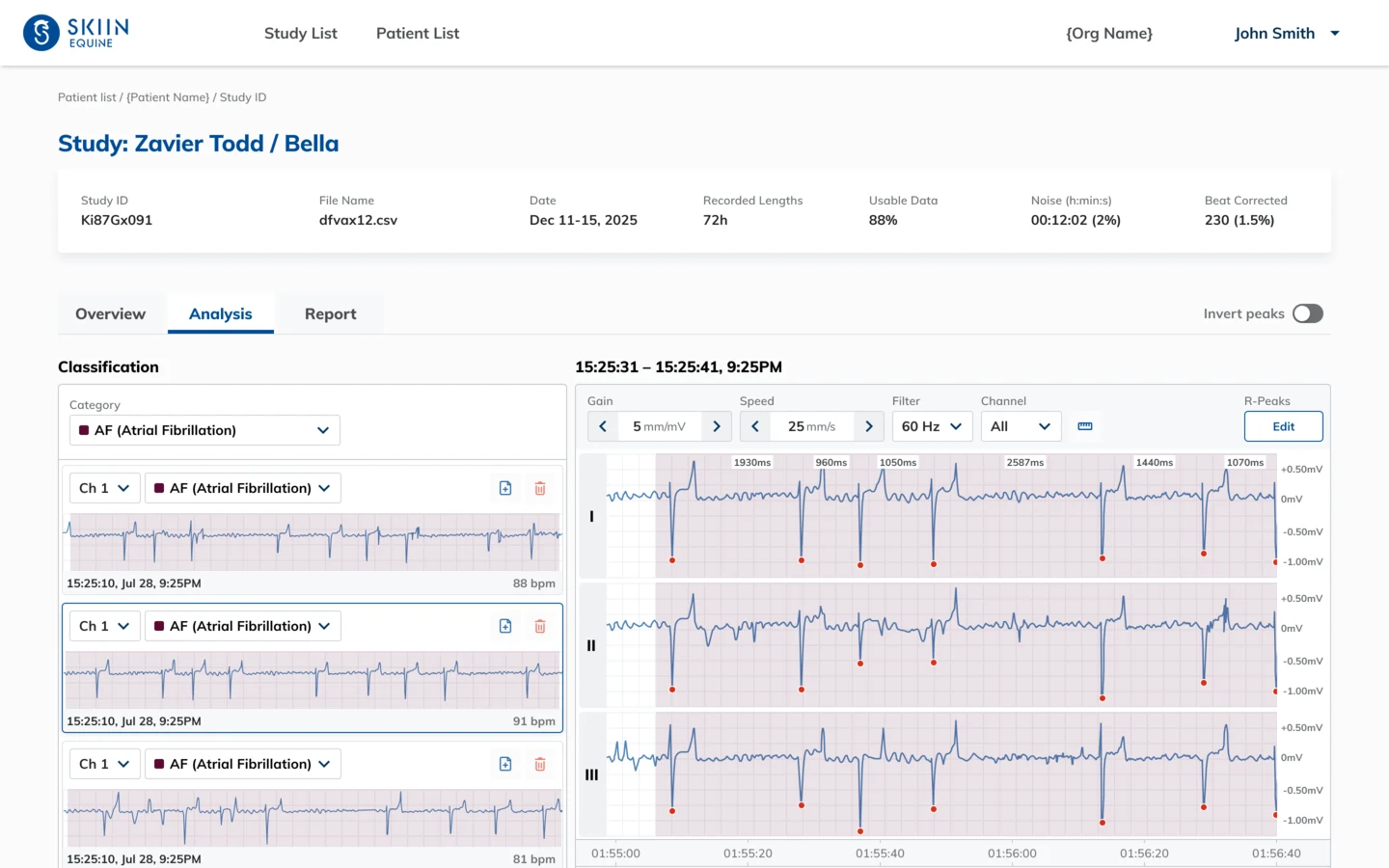
Flagged arrhythmias and key ECG and HRV metrics are automatically available in the portal for easy review and reporting.

Washable, reusable kit

The band is machine washable, so one kit can move from patient to patient in a clinical practice or boarding facility.

Compared with traditional ECG

How a SKIIN™ Equine study compares with a traditional equine ECG

SKIIN™ Equine has been measured against gold-standard reference methods, up to high-speed exercise. What changes is the workflow around the recording, starting with automated arrhythmia detection.

SKIIN Equine
  • Analysis

    Traditional ECG

    Recordings typically need manual review.

    SKIIN™ Equine

    AI-powered analysis flags arrhythmias and key HRV metrics automatically, moving each study from raw data to a report in minutes.

  • Where the study runs

    Traditional ECG

    Collecting cardiac data has often meant taking a horse out of its routine.

    SKIIN™ Equine

    Studies run in the clinic, barn, track or arena.

  • Getting data to the vet

    Traditional ECG

    Review can mean trailering the horse or hauling equipment.

    SKIIN™ Equine

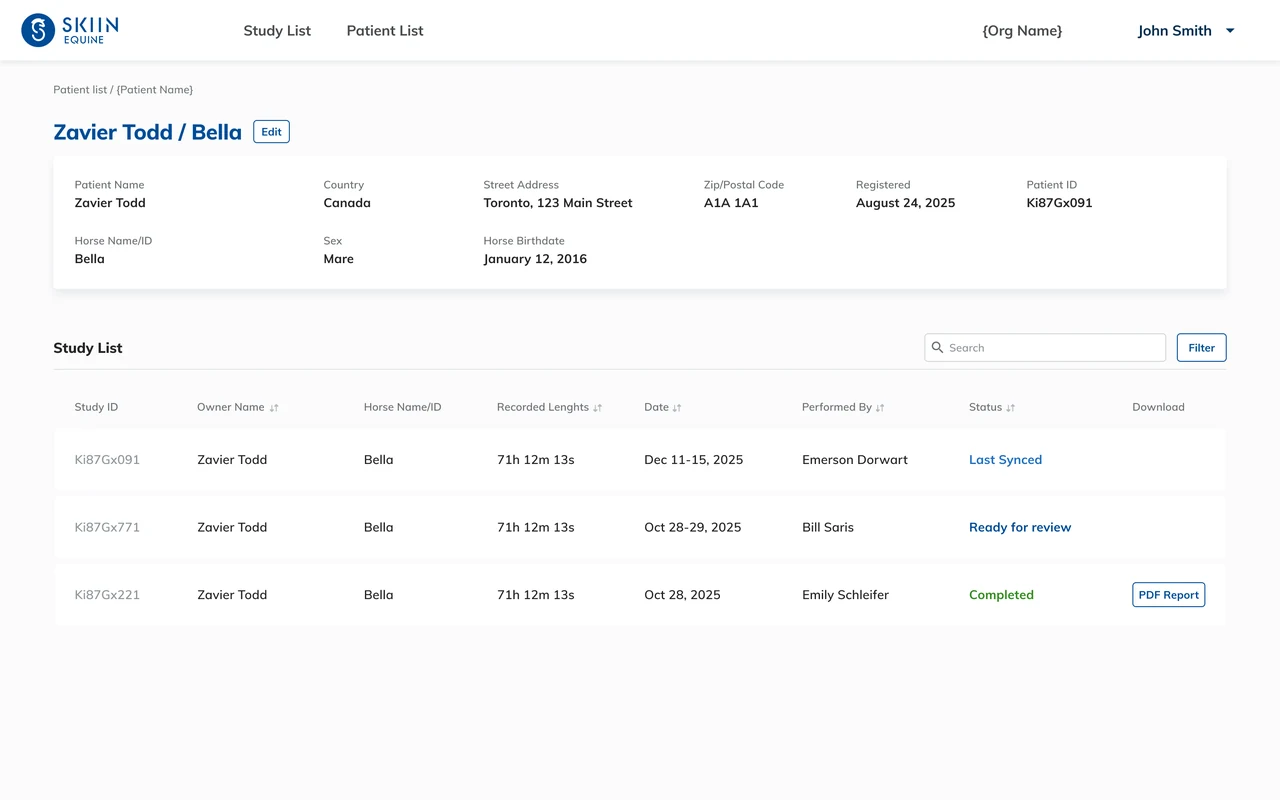
    The pod stores the study and uploads it by Bluetooth, internet, or wired transfer. Your vet opens the full study from anywhere.

  • Between patients

    Traditional ECG

    Adhesive electrodes are single-use.

    SKIIN™ Equine

    The band is machine washable, so one kit can move from patient to patient.

Traditional workflows vary by clinic and equipment. Specific analysis features may vary by release and clinical workflow.

For every part of the care team

Built for owners, veterinarians, and researchers

One study serves three different needs: day-to-day observation by the owner, clinical review by the veterinarian, and structured cardiac data for researchers working on equine health.

An owner and two children greet their dappled grey horse outside the barn while it wears the SKIIN Equine band

For owners

Peace of mind, alongside your vet

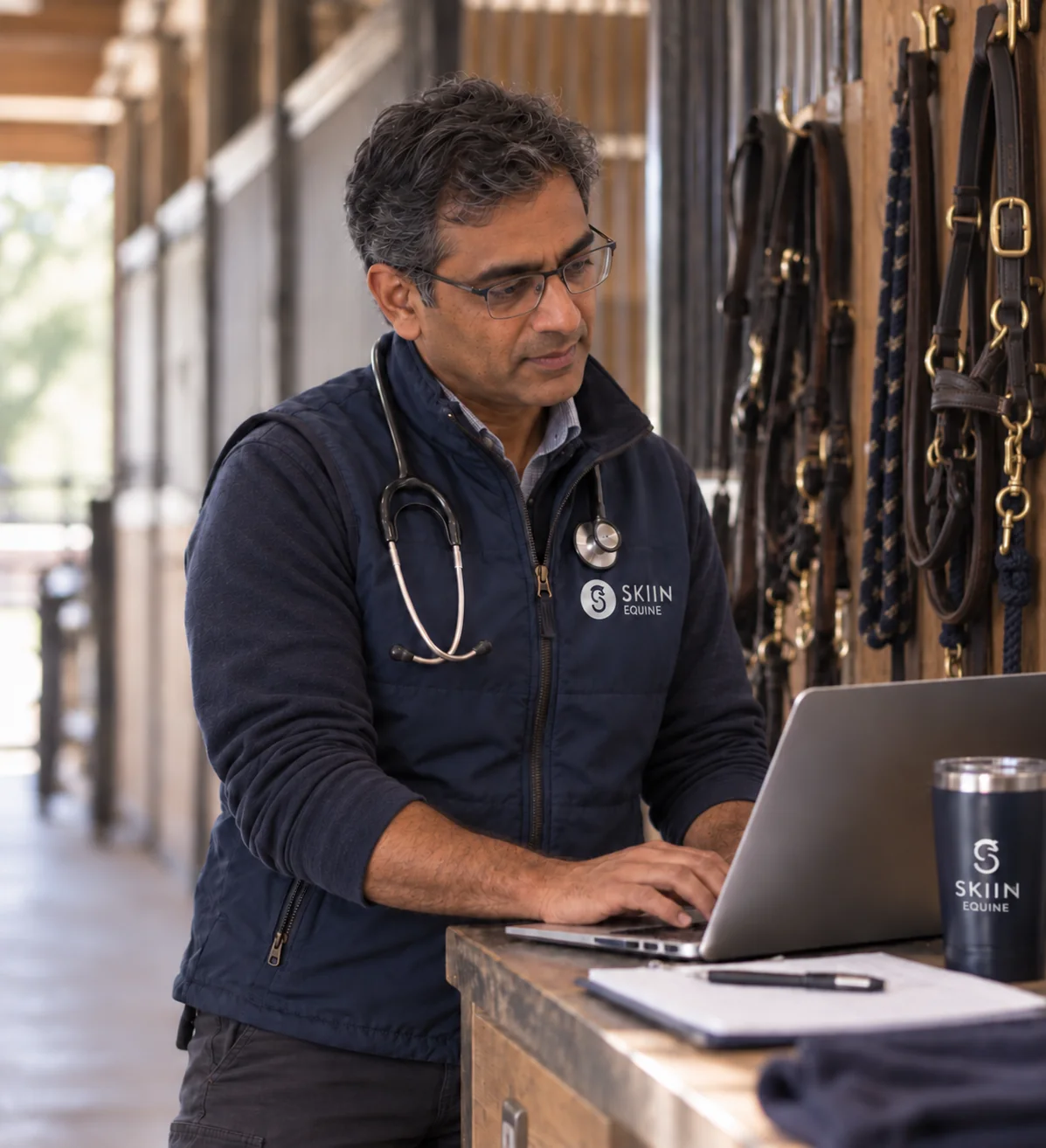
An equine veterinarian reviews study results on a laptop in the barn aisle

For veterinarians

Scientifically validated cardiac data beyond the exam room

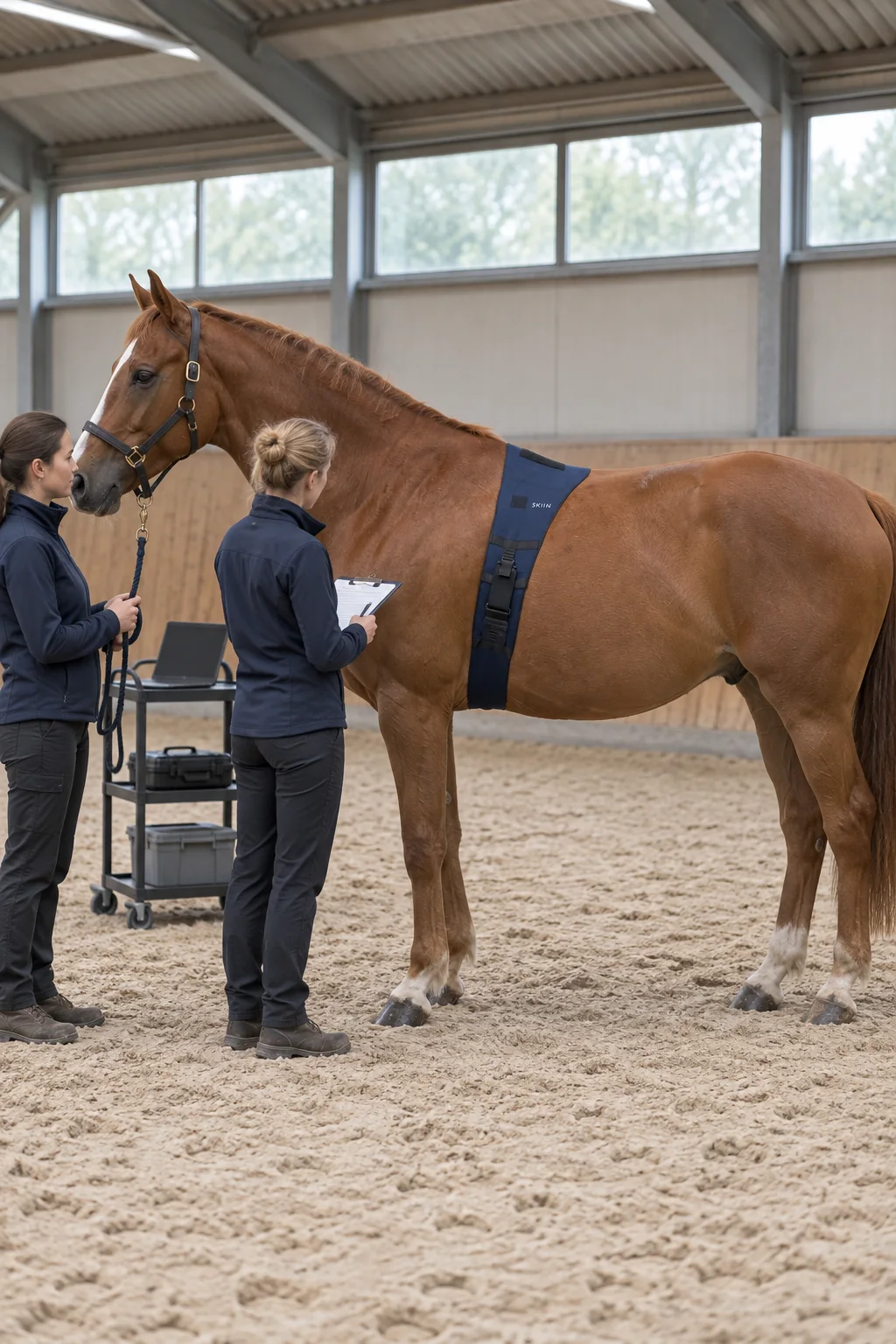
Two researchers record observations beside a chestnut horse wearing the SKIIN Equine band in an indoor arena

For researchers

Physiological data from real-world routines

How it works

How SKIIN™ Equine ECG monitoring works

Fit the textile band, start the recording, and let the study run through rest, recovery, or exercise. When it ends, the data is transferred for veterinary review.

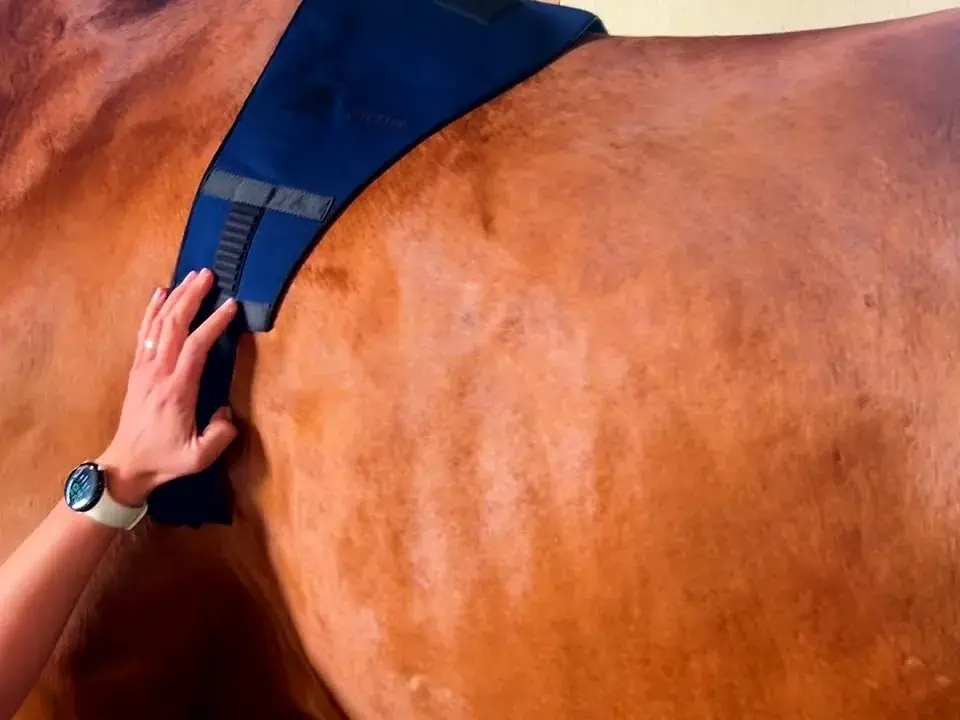
A handler smoothing the SKIIN Equine textile band into place over a horse’s withers

1. Place the band

Drape the band at the heart-girth, ensuring the widest section rests along the spine and the closure fastens on the horse’s left side.

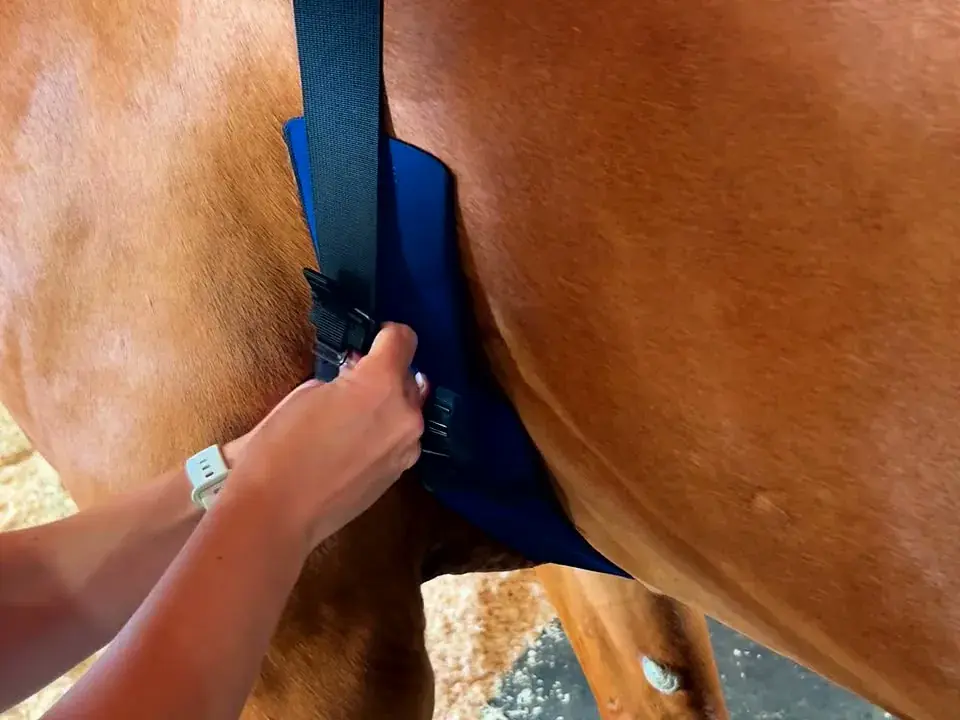
Hands fastening the girth strap buckle beneath the fitted SKIIN Equine band

2. Tighten until snug

Fasten both ends evenly until snug but comfortable. Ensure the textile is flat, untwisted, and every electrode makes direct contact with the skin. Recheck the fit after a few minutes as the horse relaxes.

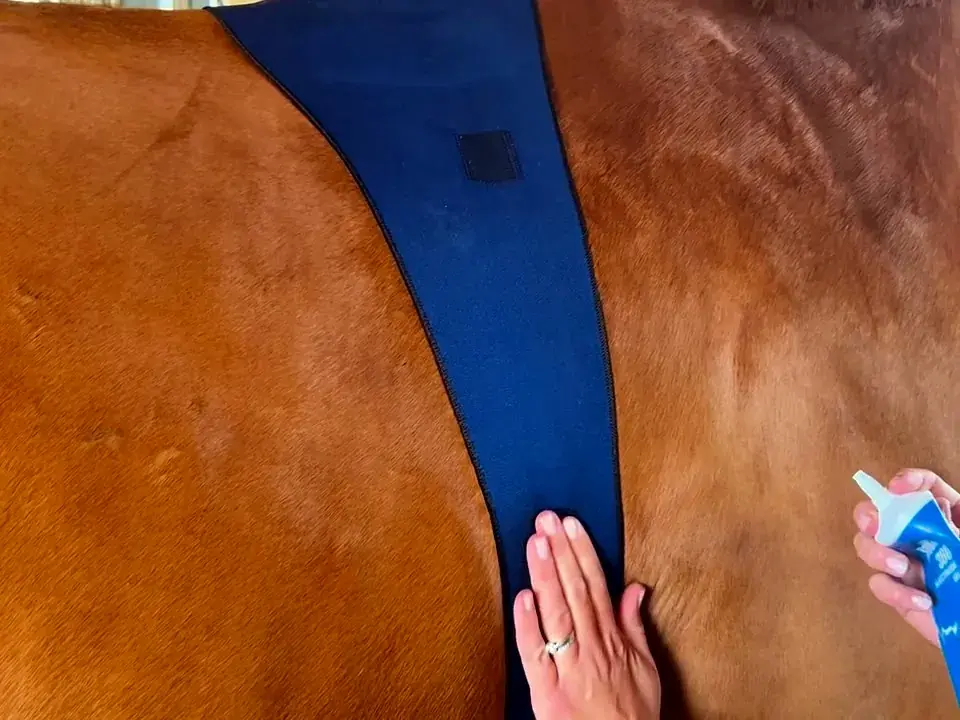
A handler applying electrode gel beneath the edge of the fitted SKIIN Equine band

3. Apply the electrode gel

Apply conductive electrode gel directly to each of the five textile electrodes to ensure optimal signal and data quality.

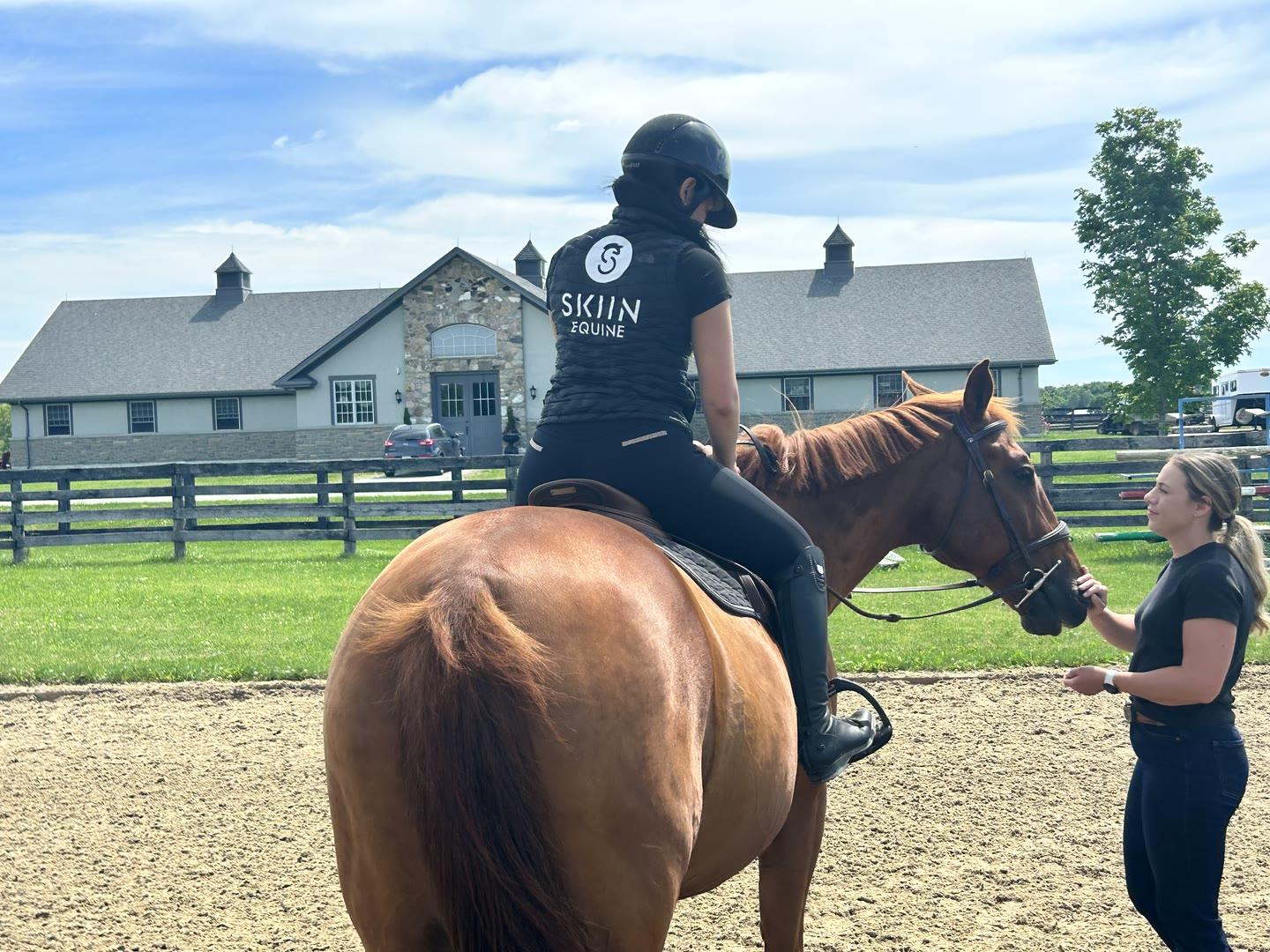
A rider wearing a SKIIN Equine vest mounted on a chestnut horse in an arena, a handler standing at the horse’s head

4. Secure and carry on

For ridden exercise or extended monitoring, secure the provided elastic over-band. Once the band is secured, continue with the planned ridden or unridden activity.

A chestnut horse in a wooden stable wearing the SKIIN Equine band around its girth, a hand resting gently on its cheek

Stay informed

Be first to know when SKIIN™ Equine launches

Join the launch list for product availability and preorder updates. Veterinarians and researchers can also contact our team about clinical and research use.