
Q&A
From Fashion to Equine Technology:Meet Yana Bashura
An interview with Yana Bashura on bringing design, textiles, and technology together for SKIIN™ Equine.
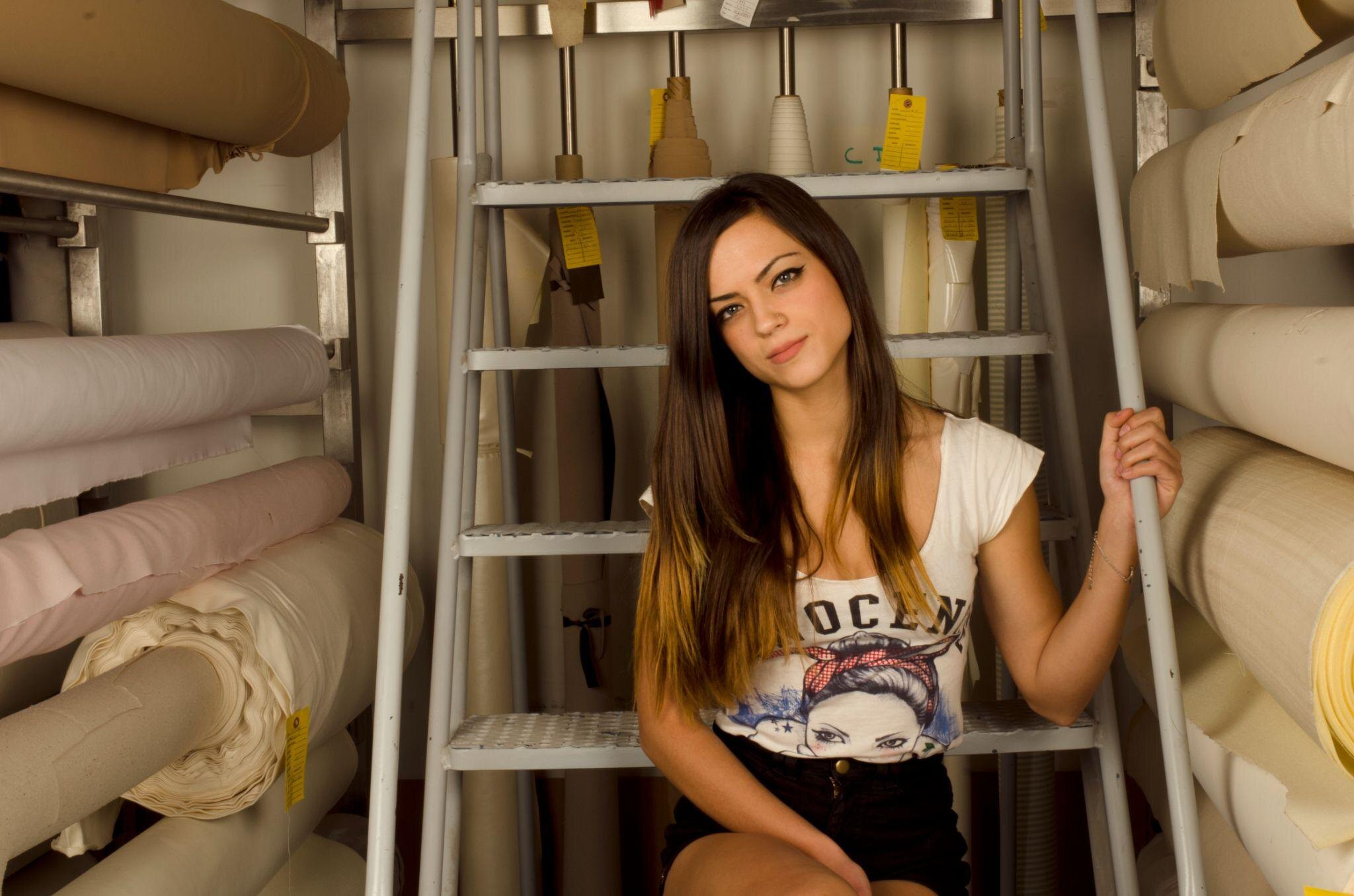
Yana Bashura’s career has taken her from creating gowns for classical musicians to sculpting mannequins for international retail brands, and now, designing wearable technology for horses.
With 16 years of experience across design, pattern making, prototyping, fitting, manufacturing, and production, she helps bridge the gap between an idea and a physical product. At Myant, she brings those skills together to translate textile sensing technology into a wearable designed around equine anatomy and everyday use.
How did you begin your career in design?
I studied fashion design in Toronto, focusing on tailoring, outerwear, and lingerie. My first job was at a small atelier creating gowns for classical musicians. It was very hands-on: I made patterns, worked on fittings, sourced fabrics, and helped construct the garments.
I then spent seven years at a company developing retail fixtures and displays for brands including Victoria’s Secret, Nordstrom, Neiman Marcus, etc. I worked on the textile side of those projects, including upholstery, printing, sample development, and coordinating production in-house and overseas.
That experience broadened my work beyond fashion. I was communicating with clients, understanding what they needed, developing physical samples, and helping turn those designs into products that could be manufactured at scale.
What is one of the more unexpected skills you picked up along the way?
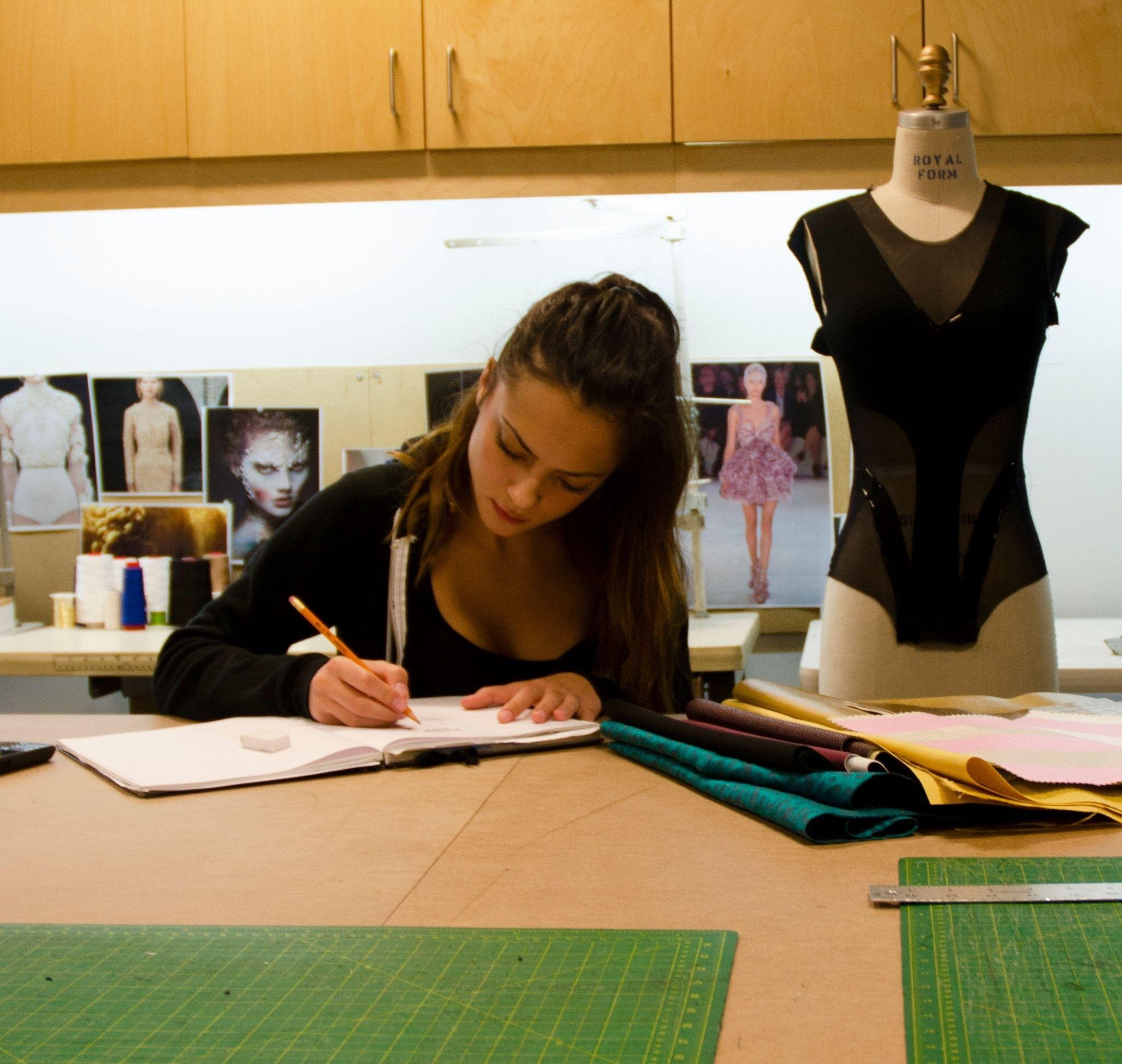
Sculpting. We developed mannequins with soft forms so lingerie would fit and look more natural. That involved understanding anatomy, working with different materials, and considering how garments behave on a three-dimensional body.
I learned traditional sculpting techniques from a colleague and worked with memory foam to create those forms. It was an unexpected extension of my fashion background, but the connection is clear: you’re thinking about shape, proportion, materials, and fit.
Those skills still contribute to the work I do today.
What brought you to Myant, and how has working in medical wearables expanded your expertise?
Myant was developing underwear with integrated technology, which connected with my experience in lingerie and garment construction. My career had already taken me beyond traditional fashion, so wearable technology felt like another opportunity to apply my skills in a different way.
Working in medical wearables has taught me to consider the entire product lifecycle. Alongside design, fit, and textile choices, I think about production processes, documentation, quality, and regulatory requirements.
What I bring is an understanding of how a concept becomes a physical product: how it is constructed, how it needs to fit and function on a body, how materials behave, and what it takes to manufacture it successfully.
What does it mean to integrate technology, fashion, and textiles?
It means considering all of those elements together from the beginning.
My fashion background gave me a foundation in fit, pattern making, construction, and how materials interact with the body. My experience in product development and manufacturing taught me how to translate those considerations into something that can be produced and used reliably.
With wearable technology, we balance sensor function, textile performance, fit, comfort, and the practical realities of manufacturing. The textile is part of how the technology works. Yarn selection, construction, material behavior, and placement all contribute to the performance of the wearable.
Fit is a functional requirement. The product needs to work with the body it is designed for.
What is your specific contribution to SKIIN™ Equine?
My role is to help translate the technology into a wearable form that works specifically for horses.
I’ve worked closely with Perse over the years, learning about equine anatomy and the practical considerations involved in designing for horses. Through fittings and testing, we’ve developed the shape, placement, adjustability, and construction of the band.
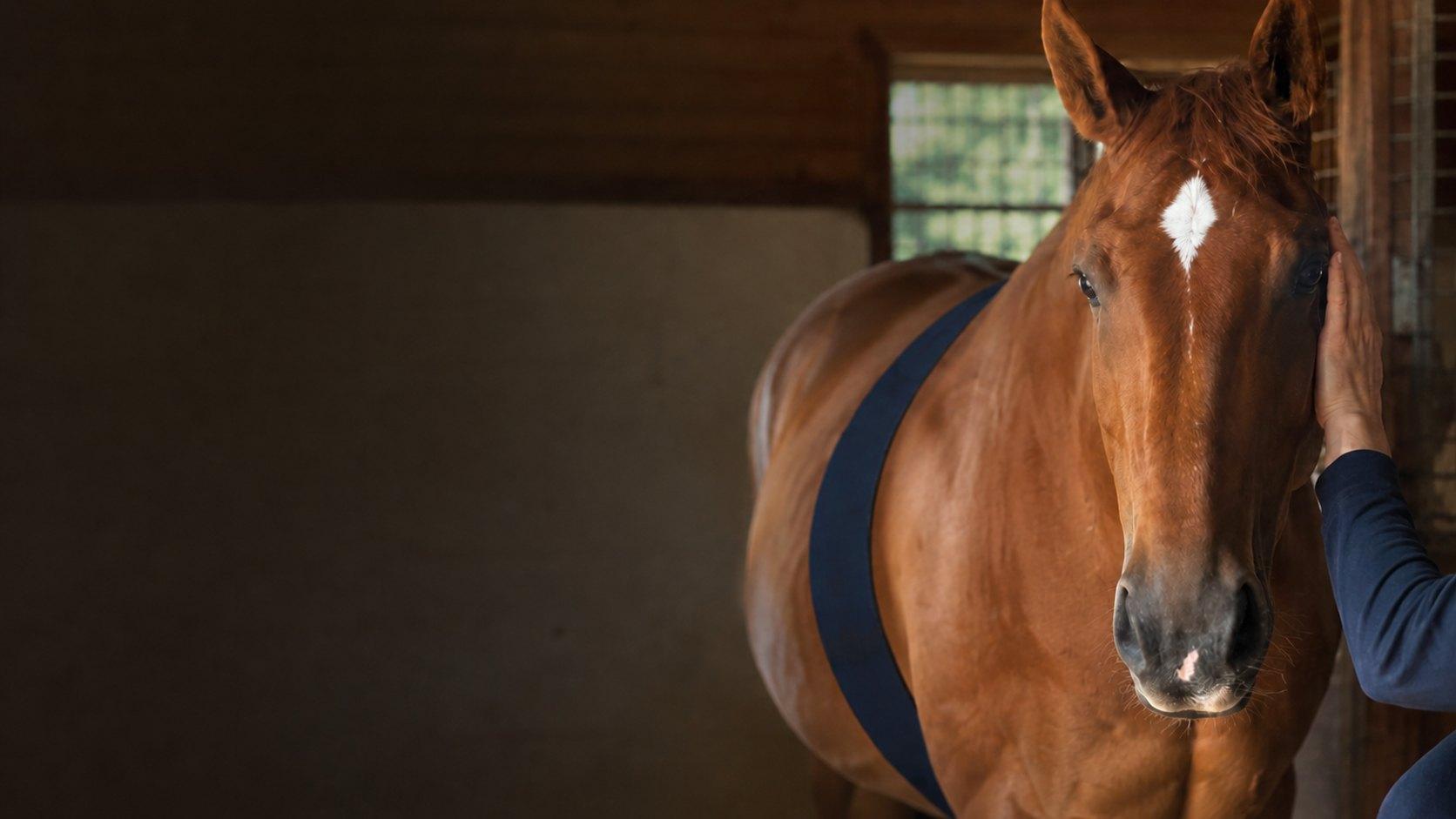
For example, the band is wider at the top and tapers down to follow the horse’s contours around the withers. That shape also helps guide placement on the body.
My work includes evaluating yarns, construction methods, and material durability. I’m considering how the band fits, how the textile behaves during use, and how those choices translate into manufacturing.
My contribution brings together design, fit, textile performance, and product development.
What makes designing wearable technology for horses different?
You have to understand the animal you’re designing for. Horses have their own anatomy, proportions, movement patterns, and practical needs. The design has to account for all of that, including how the band interacts with other equipment the horse may be wearing.
Spending time in the barn with Perse has been essential. Every fitting provides information about how the product sits on the horse, how it moves, and how people handle it.
We also brought samples to horse owners and asked for their feedback. They are very attentive to their animals’ comfort and safety, and their perspective helps us understand what makes a design practical in everyday use.
For me, that is where design and problem-solving come together: observing carefully, learning from people with equine expertise, and using that knowledge to make informed design decisions.
How much hands-on work goes into a textile wearable?
A tremendous amount. Over five years, I have sewn hundreds of bands for testing and studies. My textile tracker records 85 design variations for the first generation alone.
Each variation represents a decision about shape, materials, closures, fit, or construction. Prototyping allows us to examine those decisions in a physical product and learn from how it behaves.
Much of that work is invisible in the finished wearable. People see a band, but behind it are pattern making, fittings, material evaluations, testing, and manufacturing decisions. Those details are what turn a concept into something practical.
What excites you personally about the equine project?
I’ve always loved animals. Growing up in Ukraine, I was the child bringing stray cats and puppies home. I also loved horses, but growing up in the city meant I had few opportunities to spend time with them.
This project has given me the opportunity to learn about horses and work closely with them, which makes it special to me.
I also enjoy taking my experience in fashion, textiles, and product development and applying it to a different anatomy and purpose. There is so much to learn from the animals and the people who care for them.
Any day I get to spend working with animals is a good day.
What would you like people to take away from your work?
That innovation comes from bringing different areas of expertise together.
My career started in fashion design, but pattern making, sculpting, prototyping, manufacturing, and medical wearables all contribute to what I do today. SKIIN™ Equine brings those experiences together with the knowledge of colleagues who understand horses, sensing technology, and engineering.
I’d also like people to recognize how much textile design contributes to wearable technology. Materials, construction, fit, and durability are fundamental to how the product performs.
Good design starts with understanding who, or what, you’re designing for. From there, it takes collaboration, careful observation, and hands-on work to bring the different elements together.